Wherever your AC system’s handler is located – could be in the attic, basement, or just about anywhere – it comes with an item of curiosity, or at least curious to some. It’s a drip pan. A very ordinary thing to be sure, but what on earth is it doing under an air handler? After all, AC systems don’t cool water, they cool air.
It’s a fair question. In fact, Optimum Air encourages our customers to ask all the questions they want since the more you know about your system, the easier it is to spot trouble in the making.
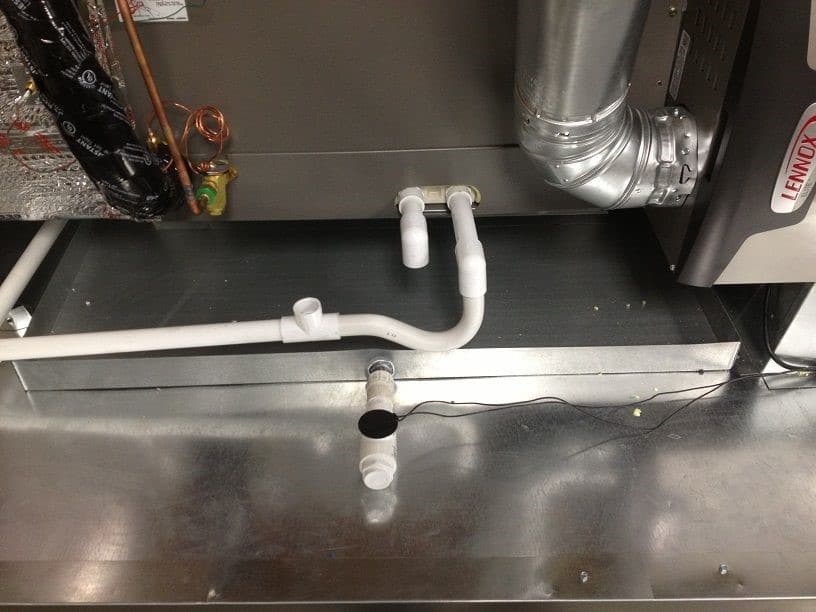
Hence, let’s return to the drip pan. Since moisture forms when air is cooled, the moisture needs to be captured to prevent damage to your home. That’s the role of the drip pan. Specifically, the cooling process involves warm air coming in contact with cold evaporator coils. When that happens, water drips from those coils the same way water drips off the sides of a glass of water or a can of soda when you drink one outside.
The drip pan is connected to your system’s condensate drain line, the purpose of which is to safely drain the water from the pan to a nearby drain or outdoors. A simple enough process, to be sure. But however simple it might be,
There’s always a chance something will go wrong.
- Cracks in the drip pan. Cracks can occur naturally in a drip pan or as the result of blunt force. In either case, a cracked drip pan will allow water to leak directly out of the pan and onto your system.
- Water overflowing the drip pan. Just like water can build up in a kitchen sink when the drain below is clogged, water can build up in the drip pan when the condensate drain line is clogged. If the clog is severe, water can start flowing over the edges of the drip pan and damage the system below. If your air handler is in the attic, the water also can damage the ceiling of the room below and thus create a messy and expensive repair.
How to prevent drip pan problems
Like most things integral to your central AC system, annual preventive maintenance is the best medicine. During the maintenance process, we’ll check your system inside and out – literally. That includes checking the drip pan and condensate drain line for any signs of leaks or clogs. If we spot an issue, we’ll take care of it before damage can occur.
At the same time, you can help your own cause by regularly cleaning or replacing (as needed) your AC filter. That’s because dirty air is one of the leading causes of a clogged drain line.
In addition, consider installing a drip pan with a float valve. A float valve is a safety device that monitors the water levels in your drip pan and shuts down your system if those levels get too high.
For more information or to schedule annual maintenance for your central air system, contact Optimum Air today.