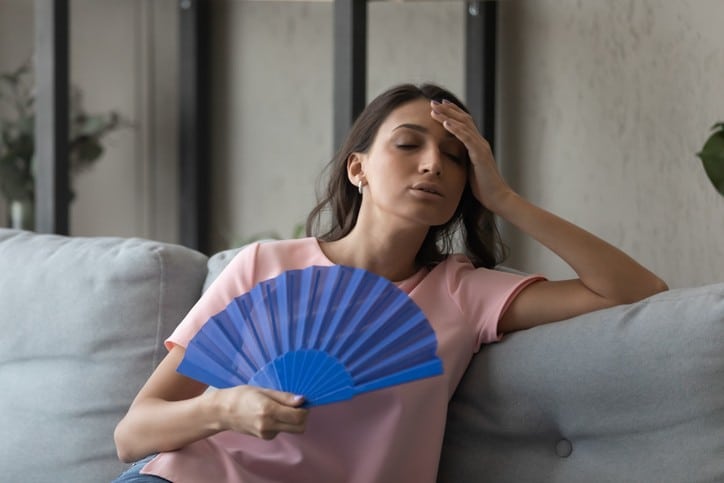
When summer rolls in, high heat isn’t the only thing that can make your home feel uncomfortable. High indoor humidity can make it feel muggy, musty, and even unhealthy – despite with your AC system running 24/7.
In addition to making your home feel warmer than it is, excessive moisture in the air can lead to problems like mold growth, warped wood, and musty odors. The good news? With a little attention and the right systems in place, you can enjoy a cooler, drier, and healthier home, even during the most humid weeks of the year.
Let Your AC Do the Heavy Lifting—Properly
Air conditioners are designed to cool and dehumidify, but they need to be up to the task. If your system is aging, incorrectly sized for your home, or hasn’t been maintained, it might be struggling to keep humidity under control.
To ensure your system is running at peak performance, your best move is to schedule annual preventive maintenance with Optimum Air Co. Even with that level of care, however, eventually corrective action will become necessary…after all, even the best made, and best maintained, AC systems have an average shelf life of 12 – 15 years…which is a long way from “forever.”
Add a Whole-House Dehumidifier
Whole-home dehumidifiers are designed to work alongside central air systems to pull excess moisture from the air while it’s circulating. That’s a more efficient, long-term solution than portable dehumidifiers.
Not sure if you need one? If your home regularly feels damp or you notice condensation on windows or walls, it might be time to explore this option.
Ventilate Your Home the Right Way
High-moisture areas like bathrooms, kitchens, and laundry rooms can pump a lot of humidity into your home. Use your exhaust fans whenever you cook, shower, or do laundry, and let them run for several minutes afterward.
If your home doesn’t have exhaust fans or they’ve seen better days, it’s worth installing or upgrading to modern, energy-efficient models that effectively send moisture packing.
Seal and Insulate
Cracks around windows, doors, or utility openings can allow hot, moist air into your home. Sealing these gaps with weatherstripping or caulking helps keep indoor conditions stable. Adding insulation in attics and crawlspaces further strengthens your home’s barrier against outside moisture and temperature swings.
DIY Tips for Reducing Indoor Humidity
Even your daily routine can affect indoor humidity. Here are a few simple ways to reduce it:
- Dry laundry outside whenever possible
- Take shorter, cooler showers
- Limit stovetop cooking during hot afternoons
- Reduce the number of indoor plants if your home already feels damp
Whatever you can do to limit indoor humidity brings you one step closer to continuous and satisfying indoor comfort.
Need Help? Contact Optimum Air Co. Today
Don’t let indoor humidity take the joy out of summer. Whether it’s upgrading to a new, energy efficient AC system, installing a whole-house dehumidifier, or evaluating your home’s ventilation, Optimum Air Co. has the tools and experience to help. Contact us today to schedule a consultation—and take the first step toward a drier, more comfortable home.